Signs of Lack of Passion in a Relationship and What They’re Telling You
Remember when you and your partner first got together? It was new, exciting, and probably super-hot, right? That intoxicating NRE (new relationship energy) fuels our sexual attraction during this time. Our bodies release a delicious cocktail of bonding hormones, and we can’t get enough. We think about each other constantly, we can’t wait to spend more time together, and we can’t keep our hands off each other.
This is the honeymoon period, and it typically lasts anywhere from six months to two years. But what happens after the honeymoon period has ended? Physical intimacy starts to fade, emotional closeness begins to plateau, and resentment can start to build. The newness of the relationship has dissipated, and the excitement has followed suit. You’ve settled into a place that probably feels really comfortable and safe at first, but you try to ignore the fact that your relationship is losing the spark.
If all this sounds familiar, let me start by saying that this is a completely normal trajectory in long-term relationships. Almost everyone experiences the high of the honeymoon period as well as the fall that follows. Passion fluctuates in relationships, and that’s totally natural. But what can you do about it?
The first step is to actually communicate about the lack of passion in your relationship with your partner. Talk about it early and often with compassion and understanding (no blaming or shaming). Become a couple that talks about sex and normalize that.
In my NYC-based sex and relationship coaching practice, I work with many couples who waited a decade or more to start talking about the lack of passion in their relationship. We’re socialized not to talk about sex. We’re taught that it’s an awkward or improper topic, and that we shouldn’t have to talk about it. We’re taught that sex should just happen. But I can tell you from experience that the longer you go not talking about it and just hoping that it will magically figure itself out, the more resentment you will build in the relationship. By not talking about it, you’re making the matter worse because resentment in relationships is the number one killer of sexual desire.
Once you’ve noticed the lack of passion in your relationship, really try to examine all the factors with your partner. Are you experiencing occasional, temporary dips in passion, or are you chronically disconnected? Are either of you experiencing emotional disconnection in the relationship as well? Passion isn’t just about sexual connection. What is each of you experiencing in terms of emotional closeness, curiosity about your partner, and general engagement in the relationship? All of these are forms of passion as well. In order to rekindle passion in your relationship, it’s important to first understand where it stands currently.
In this article, I’ll guide you through exploring the signs of lack of passion in a relationship and help you get honest about what these signs could be revealing about the state of your long-term relationship.
What Does “Passion” Actually Mean in a Relationship?
“Passion” is a term that can mean many things. While many people use the word “passion” to refer to urgent, messy, “must-have-you-now” sexual attraction, it can also refer to the level of aliveness, polarity, emotional charge, and desire in a relationship. Are you “lit up” by your relationship? Or are you just kind of coasting?
As I said, it’s totally natural for passionate love (early erotic intensity) to turn into compassionate love (stability and companionship) over time. But that doesn’t mean that you have to accept a passionless relationship forever. By re-establishing emotional safety and improving communication, it is absolutely possible to rekindle passion in your relationship.
10 Signs of Lack of Passion in a Relationship
Physical Intimacy Has Significantly Decreased
Are you experiencing way less physical touch, sexual attraction, and flirtation in your relationship? This could signal that one or both partners are dealing with stress, resentment, avoidance, or nervous system shutdown.
Conversations Feel Transactional or Surface-Level
Is your communication with your partner limited to logistics-based conversations rather than more meaningful conversations? This could signal emotional disconnection or burnout.
You No Longer Feel Curious About Each Other
Have you fallen into a routine with your partner that leaves you feeling bored in the relationship? Has predictability replaced intrigue? This could signal over-familiarity without much space for individuality, mystery, or sexual attraction.
Quality Time Feels Like Obligation
Has your quality time gone out the window, leaving your time together lacking in energy or excitement? This may signal relational fatigue or resentment in the relationship.
There’s More Irritation Than Attraction
Does the usual feeling of mild annoyance towards your partner feel amplified? This could signal unexpressed emotions that turn into unresolved resentment.
You Avoid Difficult Conversations
Are you avoiding conflict instead of trying to repair the relationship? This could signal emotional safety concerns.
Fantasies or Daydreams No Longer Include Your Partner
Are you experiencing emotional or erotic withdrawal from your partner? This may signal emotional disconnection or unmet emotional and physical needs.
You Feel More Like Roommates Than Romantic Partners
Have platonic feelings replaced romantic feelings in your relationship? Are you feeling a loss of tension and sexual passion? This could signal over-functioning or emotional fusion.
One or Both Partners Feel Chronically Unseen
Do you feel like your partner doesn’t truly see you in your vulnerability? This may signal attachment injuries in the relationship.
You Feel Indifferent Instead of Upset
Do you no longer have the energy to be angry or upset with your partner? Has indifference replaced formerly difficult feelings? This could signal emotional shutdown in lieu of anger (which still builds resentment in relationships).
Why Passion Fades in Long-Term Relationships
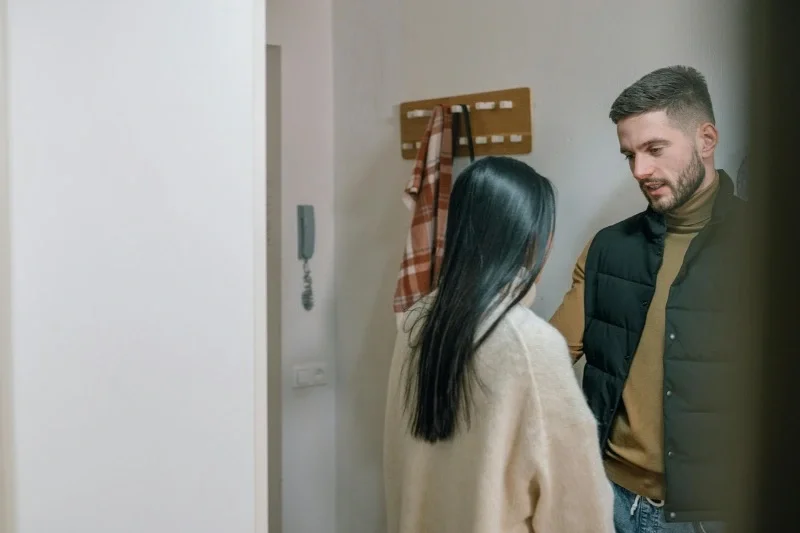
Passion naturally evolves over time, and there are lots of factors that contribute to its decline. Firstly, there’s the inevitable shift from passionate love (novelty) to compassionate love (predictability). The gradual switch from early-stage excitement to routine and stability naturally reduces the dopamine-driven intensity of the relationship. As your partner becomes more of a constant in your life, your nervous system adjusts and sees them as familiar rather than novel. Nervous system habituation naturally results in a decrease in arousal and urgency. If the person is always there, there’s no need to rush to connect with them or initiate sex.
Another huge factor that contributes to intimacy fading in relationships is stress. And as you merge your life with your partner’s, stress can most certainly increase. Maybe you’re moving in together, purchasing a home, planning a wedding, conceiving and raising children, caring for aging parents, and more, all while trying to advance your careers and provide for your family. All of these things are very stressful undertakings. External demands outside the relationship can drain your emotional bandwidth, leading to burnout. It’s easy to let “life stuff” take over as the priority, leaving your partner with the scraps of whatever energy remains at the end of the day.
The accumulation of resentment in relationships is also a major factor that contributes to a lack of passion. I’ve said it before, and I’ll say it again: resentment is the number one killer of sexual desire. Every time you argue, disappoint each other, or fail to meet each other’s needs, resentment builds. Unless you are consciously repairing and resolving every minor rupture, resentment will build over time. Even if you “never argue”, you’re still building resentment because you’re not expressing your emotions. All of this erodes sexual attraction.
Attachment wounds can also impact the level of passion in a long-term relationship. When you don’t feel securely attached, it’s hard to maintain the level of emotional safety required for true intimacy. If one partner is anxiously-attached and always voting for connection while the other partner is avoidantly-attached and always voting for individuation (an extremely common pairing), neither person feels emotionally safe. This can lead to a level of emotional disconnection that can impact closeness and desire. Both too much connection and too much individuation can lead to a lack of passion. The key is to find a healthy balance between connection and individuation so that both partners feel emotionally close yet free to live their own lives.
Can Passion Be Rekindled?
Rekindling passion requires intention, but it can’t be forced. You must rebuild emotional safety in the relationship before you can begin to rekindle passion. If you skip the emotional piece and try to jump to the sexual piece, you can cause further rupture and continue to build resentment. Here are some ways you can begin to rekindle passion in your long-term relationship:
Address unspoken resentment. If you’re in a long-term relationship, I can guarantee that you have some level of resentment built up towards your partner. It’s time to start chipping away at it through a series of relationship repair conversations. It’s also essential that both of you stop bottling up your uncomfortable emotions so as not to keep building resentment. Releasing sadness and anger from your bodies and regulating your nervous systems will be extremely beneficial to you both as individuals and as a couple.
Rebuild emotional intimacy before sexual intimacy. Emotional intimacy is a pre-requisite for good physical intimacy. When emotional closeness starts to wane, physical touch is sure to follow. It’s important that you learn to attune to your partner’s emotional needs so that they feel safe to be vulnerable with you. Your partner needs to feel like you’re a safe person with whom to share their innermost thoughts and feelings. Establish a judgment-free zone in your relationship and allow your partner to be seen and held in all their emotions. Only then can you start to rekindle passion from a safe place.
Improve communication around desire. Like I said at the beginning of this article, you need to become a couple who talks about sex. Once you’re both feeling safe again, start to have some meaningful conversations about your core desires and hottest sexual movies. Again, the judgment-free zone is imperative here. Celebrate your partner’s desires even if they are not the same as your own. Start to have conversations about what turns you on, what doesn’t, and what you may be interested in exploring.
Reintroduce novelty and shared experience. Communicating your core desires and hottest sexual movies to each other will likely spark a lot of new ideas for things that you could try together in (or out of) the bedroom. Have fun spicing things up and discovering new sides of yourself and each other! Don’t forget to take the exploration into other areas of your relationship too. Brainstorm fun new date ideas and maybe plan a vacation to a destination that’s new for both of you. Sharing new experiences together can help you release those same bonding hormones from the beginning of your relationship. Your connection may not feel as intense as it did back then, and that’s totally normal. But part of rekindling passion is prioritizing quality time.
Create space for individual growth. Sometimes a lack of passion in a relationship can be caused by too much connection to the point where it borders on enmeshment. As I mentioned above, it’s important to have a healthy balance of connection and individuation. If you feel like you’re someone who loses their sense of self in relationships, it may be time to individuate and reconnect to yourself. Make time to do things without your partner, rather than doing every single thing together. Join a running club, get drinks with colleagues after work, or take a class in something that has always interested you. Igniting your own individual passions outside of the relationship will inspire you to rekindle passion within the relationship as well.
When a Lack of Passion Is a Deeper Signal
Sometimes a lack of passion in a relationship can be a sign of deeper issues that require a closer look. Perhaps it can highlight differences in emotional depth, intimacy needs, or capacity for vulnerability between partners. It’s also possible that the partners are growing apart in core life priorities, long-term goals, or relational expectations. There can be fundamental differences in personality, lifestyle, or relational vision that surface over time. Or maybe there are unresolved attachment patterns (avoidant, anxious, disorganized, or a combination) that are impacting desire and closeness. Whatever the case may be, it’s important to understand that this work is complicated and nuanced. It may be best to seek professional support if you’re not sure where to start with rekindling passion in your long-term relationship.
Working With an Intimacy Coach

Professional intimacy coaching can help unpack emotional patterns and create language for desire and connection. It can also help you determine if the passion can be rekindled or if it’s a sign of a deeper incompatibility issue. Working with a certified intimacy coach can provide the outside professional perspective you may need to gain clarity and direction moving forward.
Final Thoughts: Passion Is a Signal, Not a Guarantee
Lack of passion in a relationship is just information, not a sign of failure. I encourage you to be curious and compassionate about the situation, rather than panicking or going into a shame spiral. Don’t let it fester for decades. The sooner you communicate lovingly with your partner, the better off you’ll be.
Frequently Asked Questions
What’s the difference between boredom and lack of passion?
Just because things have gotten a little stale doesn’t necessarily mean the passion is totally gone. Many people still have a desire to be sexual with their partner, but the sex has become routine and thus unexciting. This is more boredom than lack of passion, but it can become lack of passion over time. This is why it’s so important to communicate early and often about your desires.
Can a relationship survive without passion?
Technically, yes. But it may look different than you might have originally envisioned. Some people grow into a more companionate relationship where they no longer have a sexual connection. However, they feel like they get so many of their other needs met in the relationship that they decide to stay together. You get to design your relationship in the way that works for you and your partner. If neither of you care about physical intimacy anymore, then it’s not an issue. If you do, but you don’t want it anymore with that person, you can always open your relationship and get your physical needs met elsewhere. I give you full permission to let go of the fairytale that one person has to meet every single one of your needs for the rest of your life.
How long does it take to rekindle passion?
This, of course, is impossible to answer as it varies so widely from couple to couple. A lot of this depends on the level of emotional safety within the relationship and the willingness and commitment level from both partners. Again, the sooner the better. If you’ve been letting resentment build for decades, you’ll have a lot more work to do than if it’s only been a couple years, and you’re catching it early.
How does an intimacy coaching session work?
I start by getting a clear picture of the situation and what’s going on for each individual, as well as the couple as a whole. I collect relevant background info and clarify the goals of the work, and then I start to make connections and draw parallels. I identify childhood wounding that is showing up in the current dynamic and discuss ways we can work with it. This is generally how the first session goes. In subsequent sessions, we’ll continue to work through growing edges that we think might be blocking you from reaching your goals. I may suggest an experiential exercise to help you move through these blocks, followed by debriefing and integration.